
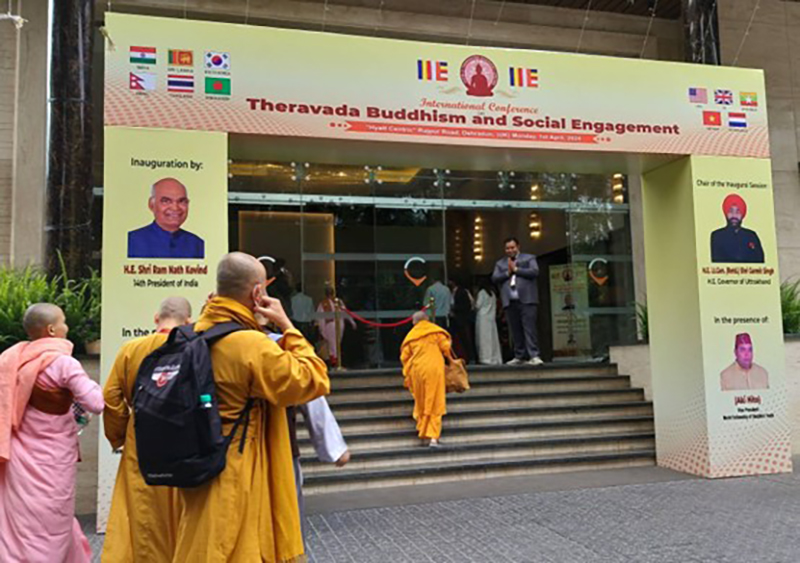

International Conference on Theravada Buddhism and Social Engagement On April 1st , 2024, Ms Charmaree Tangkasikit, a scholarship doctoral student of Dhammachai International Research Institute (DIRI) presented her work in the international conference “Theravada Buddhism and Social Engagement” which was held at Hyatt Centric Hotel, Uttarakhand, India. The opening ceremony was graced by Ram Nath Kovind,...Read More
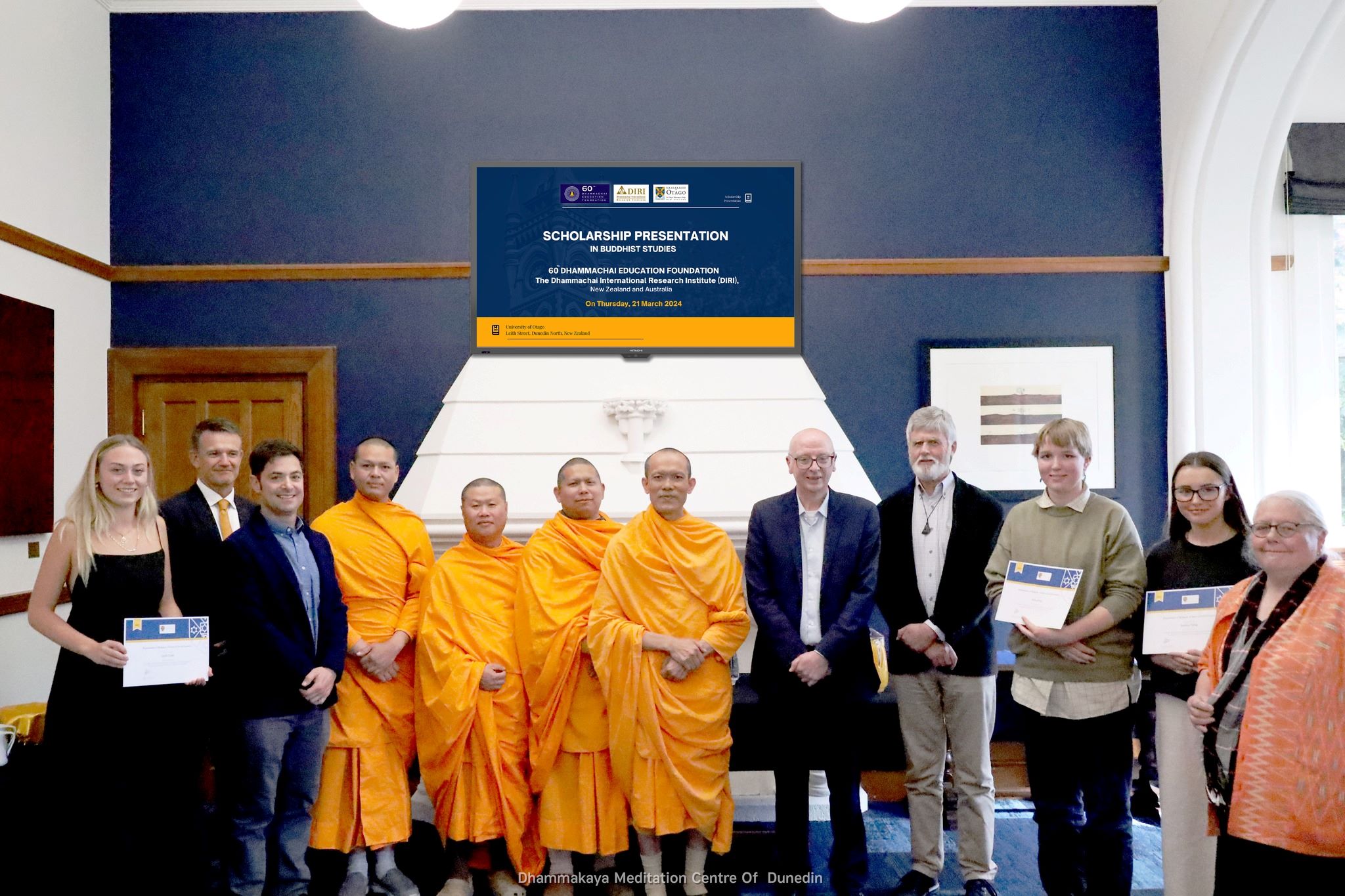
The Annual Award Presentation Ceremony : Support Buddhist studies and teaching Buddhism On Thursday, March 21, 2024, at 3:30 p.m., New Zealand time, Phramaha Sutham Suratano, Pali IX, Dr, chairman of the Dhammachai International Research Institute of New Zealand (DIRI) provided annual scholarships to the University of Otago students who got excellent scores in each subject...Read More
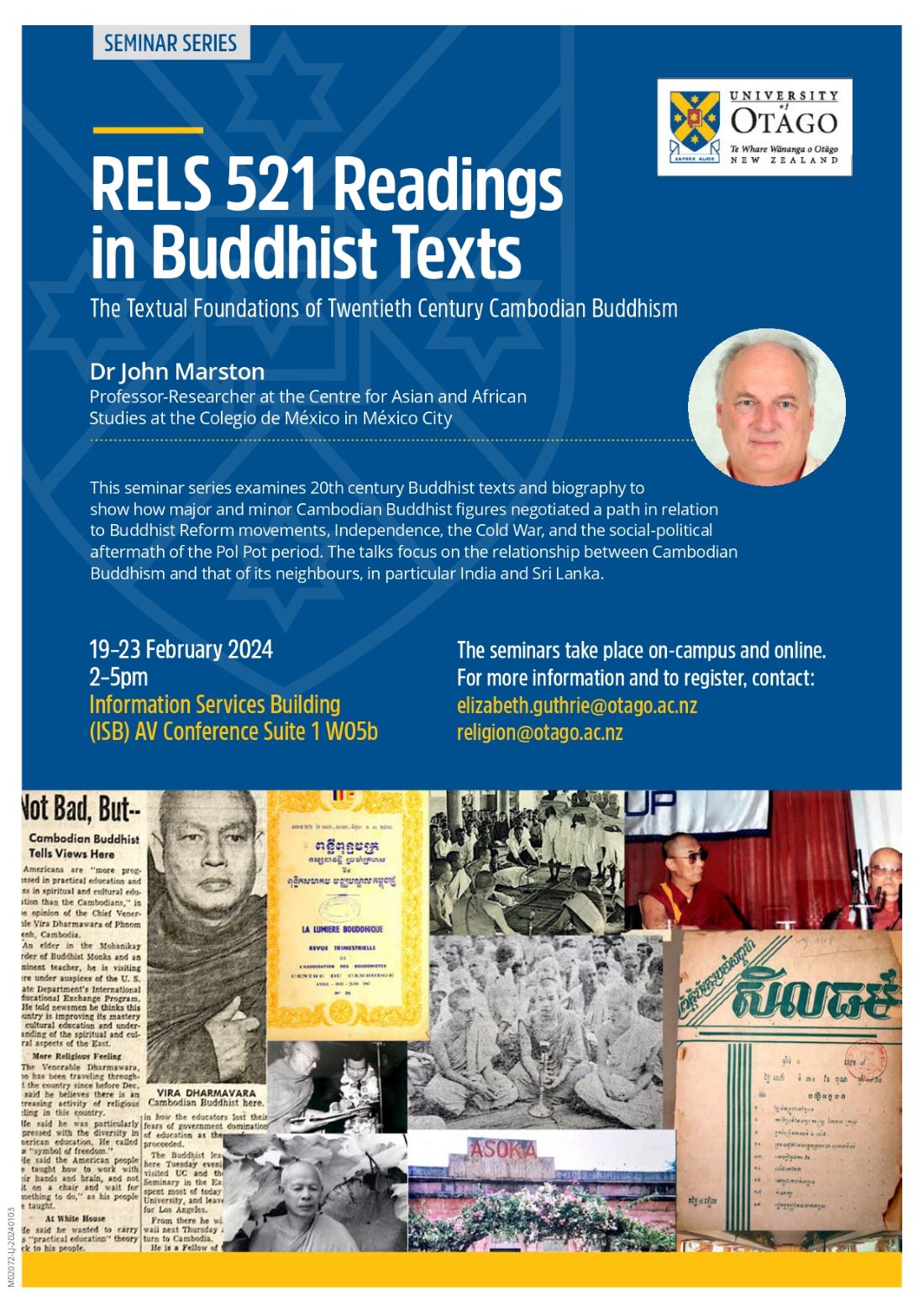
Under the MoU between the Dhammachai International Research Institute (DIRI) and the Religion Programme, the University of Otago, we are pleased to invite everyone to join the Buddhist Texts seminar series between 19-23 February 2024, 2-5 pm (NZ time). This seminar series examines 20th century Buddhist texts and biography to show how major and minor...Read More
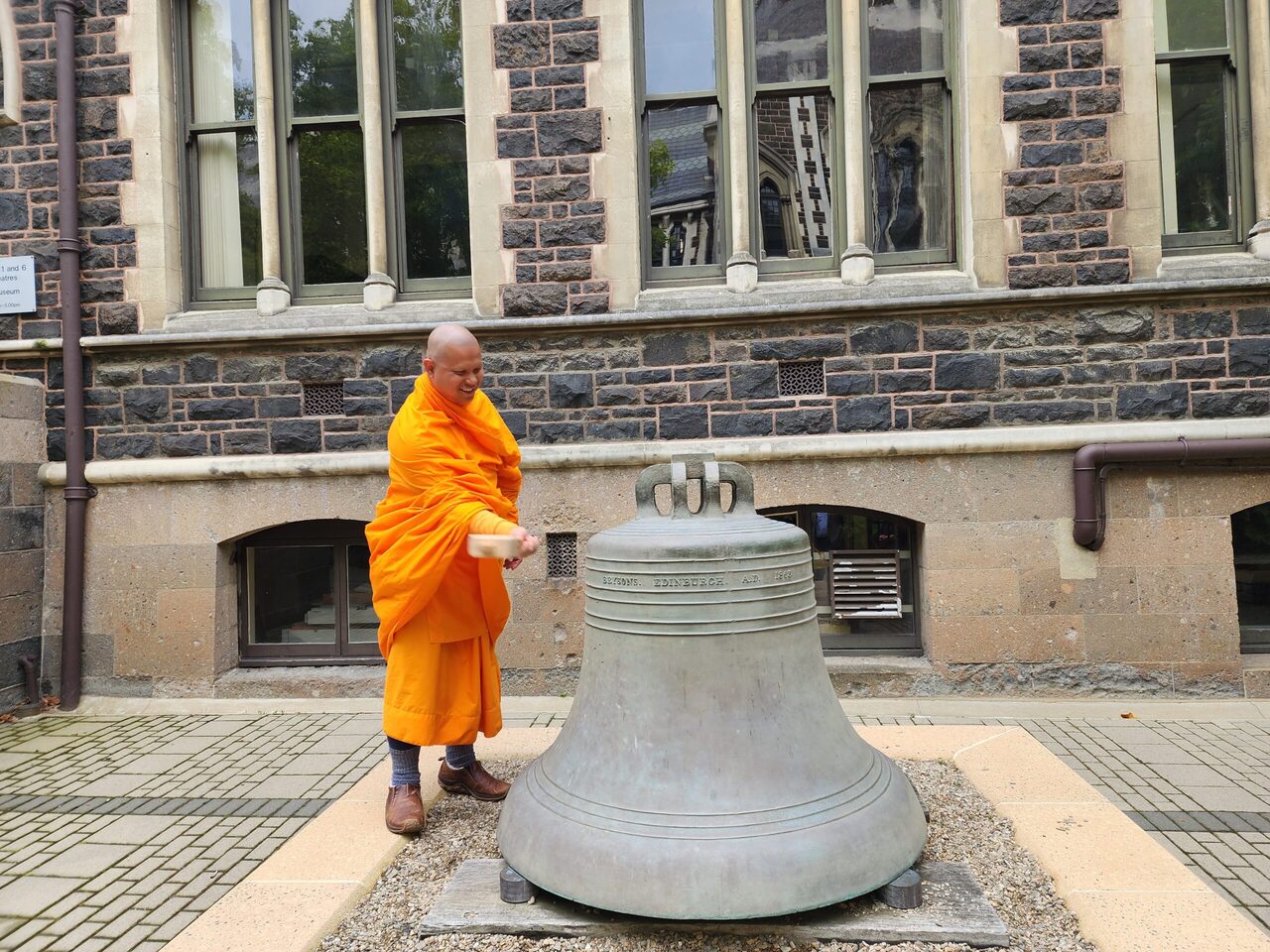
Phra Akbordin Paññāratano, a PhD candidate ring the historical bell On January 25, 2024, Phra Akbordin Paññāratano, a PhD candidate in Religious Studies at the University of Otago, and a researcher at the Dhammachai International Research Institute of New Zealand (DIRI), rang the University bell and took pictures with his supervisors and friends after submitting his...Read More
OCBS DIRI Lecture Series Suicide, Meditation and Anti-realism: Three Problems in the Study of Early Buddhism Dr Alexander Wynne This lecture series will consider three apparently distinct problems in the study of early Buddhism: one ethical (suicide), one spiritual (meditation) and one metaphysical (anti-realism). By bringing out underlying connections and discontinuities between these subjects, the lectures...Read More
DIRI: เมื่อวันที่ 8 พฤศจิกายน พ.ศ. 2568 ณ ห้องชมสื่อวิดิทัศน์ ชั้น 2 อาคาร 100 ปี คุณยายอาจารย์มหารัตนอุบาสิกาจันทร์ พระมหาสุธรรม สุรตโน ป.ธ.๙, ดร. ประธานอำนวยการสถาบันวิจัยนานาชาติธรรมชัย (DIRI) ผู้ช่วยเจ้าอาวาสวัดพระธรรมกาย และผู้อำนวยการสำนักพระปริยัติธรรม ได้กล่าวเปิดงานบรรยายและเสวนาทางวิชาการหัวข้อ “หลักฐานธรรมกายบนเส้นทางสายไหม” ซึ่งเป็นกิจกรรมต่อเนื่องในชุดเสวนา “หลักฐานธรรมกาย” ครั้งที่ 5 ประจำปี 2568 เพื่อเผยแพร่ความรู้ด้านหลักฐานธรรมกายในเชิงโบราณคดี พุทธศิลป์ และประวัติศาสตร์พระพุทธศาสนา ภายใต้บริบทของเส้นทางสายไหม อันเป็นสายสัมพันธ์ทางศาสนาและวัฒนธรรมที่เชื่อมโยงอารยธรรมตะวันออกและตะวันตกมายาวนานรวมถึงได้แสดงความยินดีต่อความร่วมมือทางวิชาการระหว่างคณะสงฆ์ นักวิจัย และนักวิชาการจากหลากหลายสาขา ซึ่งมีส่วนสำคัญในการส่งเสริมความเข้าใจพระพุทธศาสนาเชิงสหวิทยาการเนื้อหาการบรรยายได้ครอบคลุมประเด็นสำคัญหลายประการ อาทิ• การเกิดขึ้นของรูปเคารพพระพุทธเจ้ายุคต้นในศิลปะคันธาระที่ได้รับอิทธิพลจากกรีก–อินเดีย• แนวคิด “ธรรมกาย” ในคัมภีร์มหายานยุคต้น และการส่งต่อแนวคิดนี้ผ่านเครือข่ายเส้นทางสายไหม• การแลกเปลี่ยนวัฒนธรรมและแนวคิดระหว่างพระพุทธศาสนาในภูมิภาคเอเชียกลาง• การสืบค้นหลักฐานทางโบราณคดีจากถ้ำคีซีล (Kizil), ถ้ำโม่เกา (Mogao) และแหล่งสำคัญอื่น ๆ บรรยายโดยวิทยากรผู้ทรงคุณวุฒิสองท่าน ได้แก่ : คุณเกษมสุข ภมรสถิตย์ ผู้เชี่ยวชาญประวัติศาสตร์เส้นทางสายไหม บรรยายในหัวข้อ “เส้นทางสายไหม” โดยอธิบายถึงบทบาทของเส้นทางการค้าและการแลกเปลี่ยนทางวัฒนธรรมที่เชื่อมโยงพระพุทธศาสนา ศิลปะ และอารยธรรมจากจีนฝั่งตะวันออกสู่เอเชียกลางและดินแดนคันธาระ: พระเกียรติศักดิ์ กิตฺติปญฺโญ นักวิจัยจากสถาบันวิจัยนานาชาติธรรมชัย (DIRI) บรรยายในหัวข้อ “ธรรมกายบนเส้นทางสายไหม” โดยนำเสนอหลักฐานจากคัมภีร์และโบราณวัตถุที่สะท้อนแนวคิดเรื่อง “ธรรมกาย” ในคัมภีร์ตุนหวงและแหล่งอื่น ๆ ที่เกี่ยวข้องงานวิชาการครั้งนี้เน้นย้ำถึงการผสมผสานระหว่างโบราณคดี ศิลปะพุทธศาสนา การศึกษาคัมภีร์ และประวัติศาสตร์ ซึ่งเป็นข้อมูลเชิงลึกอันเกี่ยวกับการถ่ายทอดคำสอนของพระพุทธเจ้าไปยังอารยธรรมโบราณต่างๆ บนเส้นทางสายไหมOn 8 November 2025, at the Video Media Room on the 2nd Floor of the Centennial Building of Khun Yai Ajahn Mahāratana Upāsikā Chandra, the opening ceremony of the academic lecture and seminar entitled “Dhammakaya Evidence along the Silk Road” was held. The event was presided over by Ven. Phramaha Sutham Surattano, Ph.D. (Pali IX), Chairman of the Dhammachai International Research Institute (DIRI), Assistant Abbot of Wat Phra Dhammakaya, and Director of the Office of Buddhist Studies(Dhammakaya temple)In his opening address, Ven. Dr. Phramaha Sutham expressed his congratulations and appreciation for the collaboration among monks, researchers, and scholars from various disciplines, emphasising the importance of such cooperation in fostering interdisciplinary understanding of Buddhism. The seminar formed part of the ongoing series “Dhammakaya Evidence,” Session 5 (2025), organised to disseminate knowledge on the archaeological, artistic, and historical evidence of the Dhammakaya doctrine within the broader context of the Silk Road—a long-standing conduit of religious and cultural exchange linking Eastern and Western civilisations.The lectures addressed several key topics, including:• The emergence of early Buddha images in Gandhāran art under Greco–Indian influence.• The concept of Dhammakaya in early Mahāyāna scriptures and its transmission through Silk Road networks.• Cultural and ideological exchanges among Buddhist traditions across Central Asia.• Archaeological research on major sites such as the Kizil Caves, Mogao Caves, and related locations.Two distinguished speakers delivered the academic presentations:• Khun Kasemsuk Phamoranasatit, an expert in Silk Road history, presented on “The Silk Road”, discussing its role as a vital artery for trade and cultural exchange that interconnected Buddhism, art, and civilisations from Eastern China to Central Asia and the Gandhāran region.• Phra Kiattisak Kittipañño, researcher at DIRI, presented on “Dhammakaya along the Silk Road”, introducing textual and archaeological evidence that reflects the Dhammakaya concept found in the Dunhuang manuscripts and other related sources.This academic event underscored the integration of archaeology, Buddhist art, textual studies, and history, offering profound insights into the transmission of the Buddha’s teachings across ancient civilisations along the Silk Road. ... See MoreSee Less